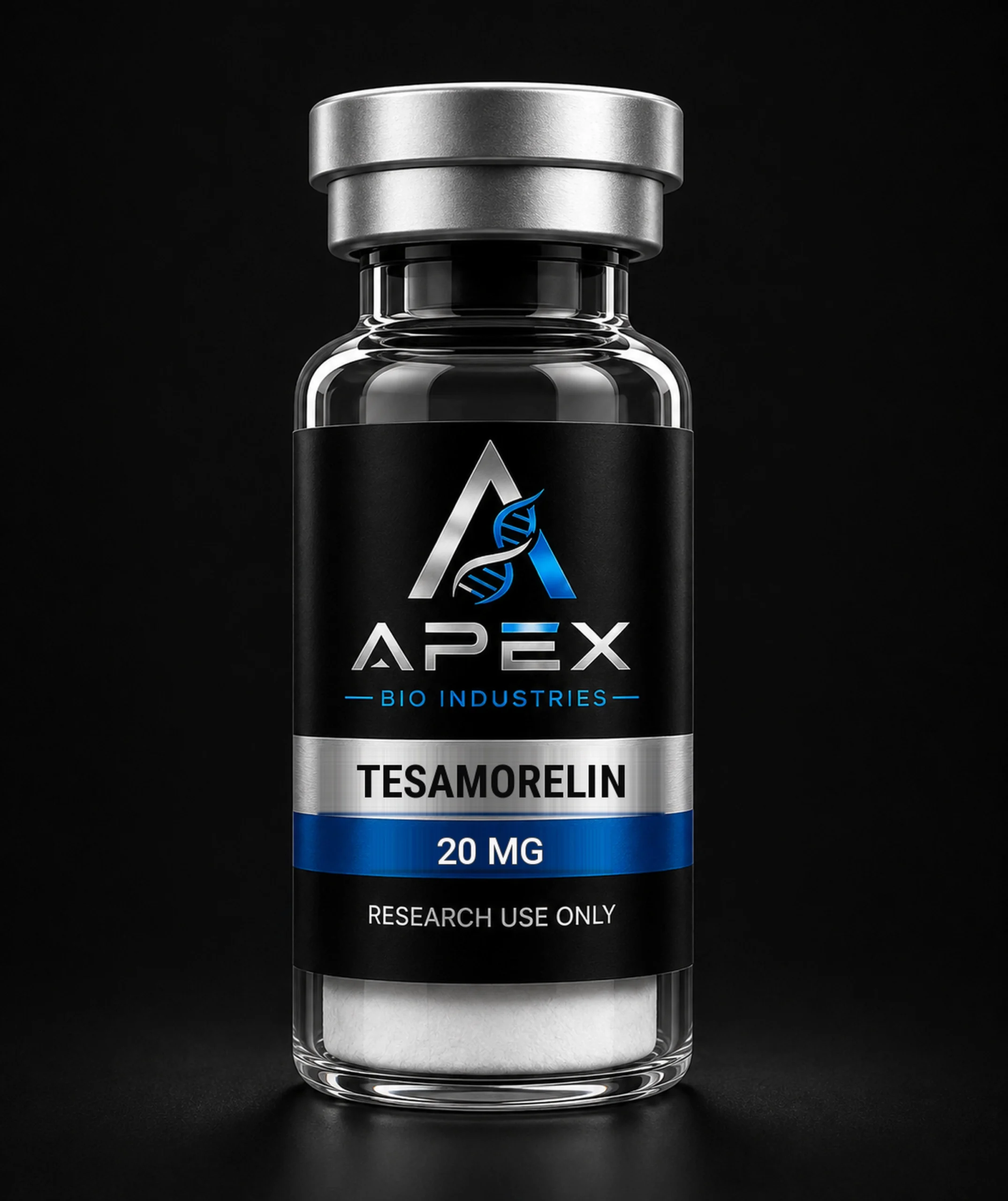
Description
Overview
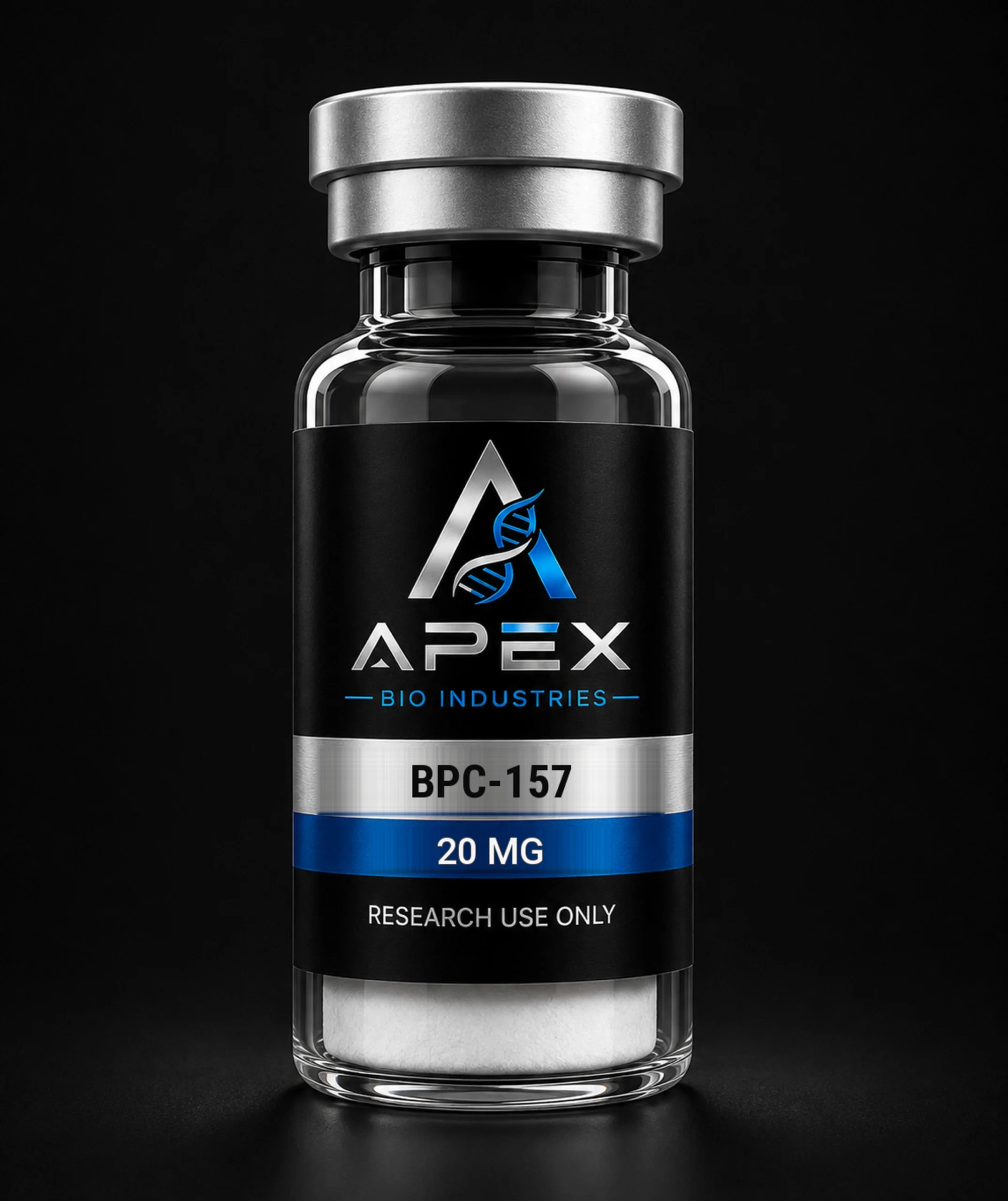
BPC-157 is a synthetic 15-amino-acid peptide studied mainly in cell and animal models. Research has examined gastrointestinal injury, tendon and ligament models, muscle injury, vascular signaling, nerve-related models, and wound response. Proposed mechanisms include effects on cell migration, nitric-oxide signaling, angiogenic pathways, and growth-factor-related signaling. Despite a large preclinical literature, robust controlled human clinical evidence remains very limited, so animal findings should not be presented as established human outcomes.
How It Works
- Cell migration: Experimental studies have examined fibroblast migration and survival, including FAK/paxillin-associated signaling.
- Vascular signaling: Research has investigated VEGF-related pathways, angiogenesis, and nitric-oxide signaling.
- Tissue-response pathways: Animal models have explored repair responses in gastrointestinal, tendon, muscle, and other tissues.
Research Areas
- Tendon and ligament models
- Gastrointestinal models
- Wound and vascular response
- Cellular migration and signaling
Research / Study Context
- Cell and tendon models: Studies have measured fibroblast outgrowth, migration, survival, and signaling markers.
- Animal injury models: Rodent experiments have evaluated tendon, muscle, gastrointestinal, vascular, and wound endpoints.
Key Research Findings
- Preclinical studies report effects on migration and tissue-response pathways.
- Evidence spans multiple animal models but does not establish clinical efficacy in humans.
- Mechanistic work frequently focuses on VEGF, nitric oxide, and cell-migration signaling.
Scientific Reference Starter Set
-
- Peptide Education Hub: BPC-157 profile
- PubMed search: BPC-157 tendon fibroblast migration
- PubMed search: BPC-157 VEGF angiogenesis