Description
Overview
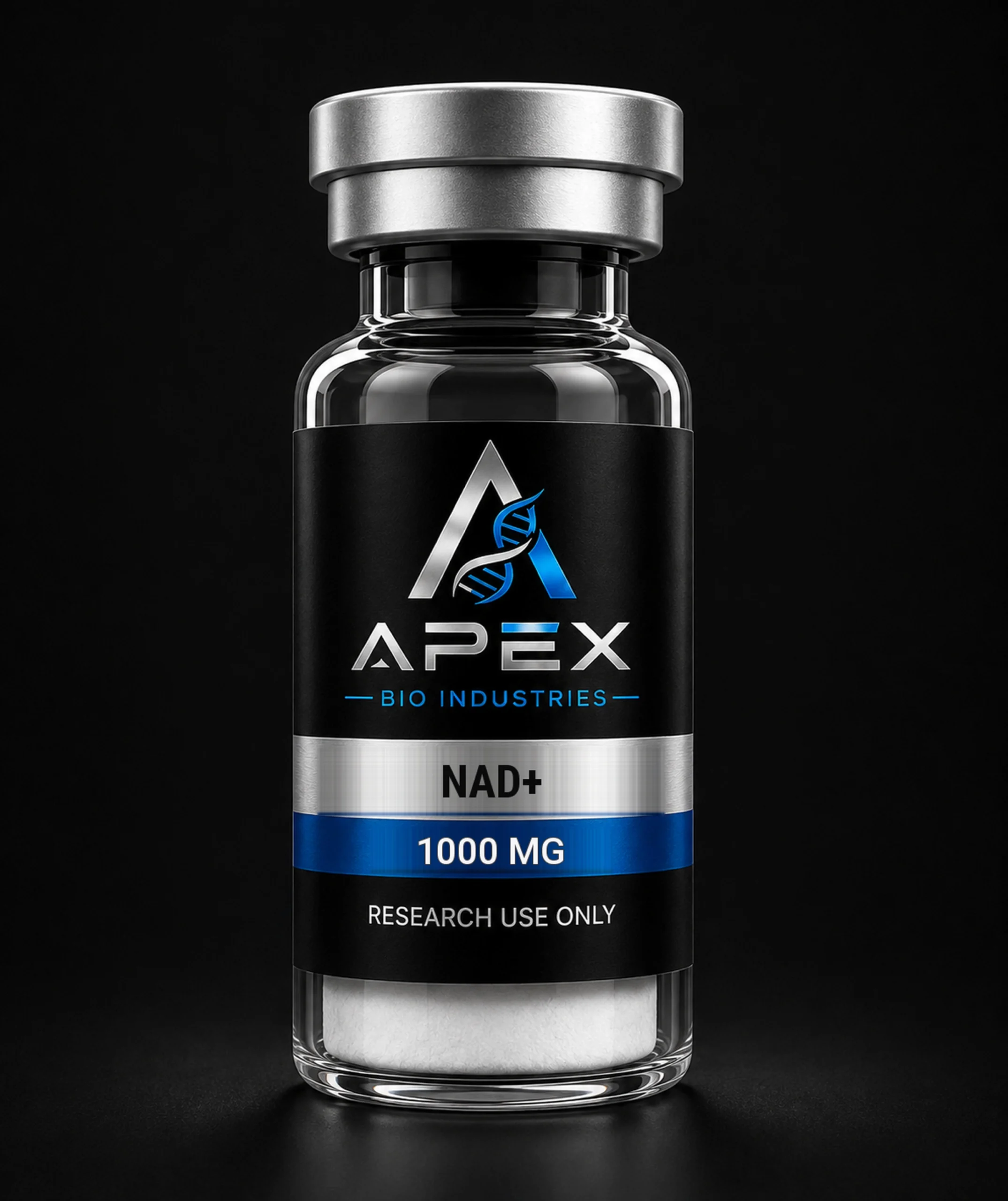
NAD+ (nicotinamide adenine dinucleotide) is an essential coenzyme found in all living cells. It participates in oxidation-reduction reactions that support ATP production and also serves as a substrate for enzymes such as sirtuins, PARPs, and CD38. Research interest centers on how cellular NAD+ availability changes with age, metabolic stress, DNA damage, inflammation, and mitochondrial dysfunction. NAD+ is not a peptide, so it should appear in the Apex Research Library under a separate “Research Compounds” or “Cellular Metabolism” label rather than being described as a peptide.
How It Works
- Redox metabolism: NAD+/NADH cycling transfers electrons in glycolysis, the TCA cycle, and oxidative phosphorylation.
- Sirtuin signaling: Sirtuins consume NAD+ while regulating protein deacetylation and metabolic stress responses.
- DNA-repair signaling: PARP enzymes use NAD+ during DNA-damage responses, linking NAD+ availability to cellular repair and stress.
Research Areas
- Mitochondrial energy metabolism
- Cellular aging
- DNA-damage response
- Sirtuin and PARP biology
Research / Study Context
- Human metabolism research: Studies commonly measure NAD metabolites, precursor supplementation, mitochondrial endpoints, and metabolic markers.
- Cell and animal research: Models examine NAD depletion/repletion, sirtuins, DNA repair, and age-related metabolic changes.
Key Research Findings
- NAD+ is fundamental to cellular redox and signaling biology.
- Age- and disease-associated changes in NAD metabolism are actively researched.
- Evidence for specific delivery routes or anti-aging outcomes should be separated from the basic biology of NAD+.
Scientific Reference Starter Set
- Peptide Education Hub: NAD+ profile
- PubMed search: NAD metabolism aging sirtuins PARP
- Review literature: NAD+ metabolism and aging