Description
Overview
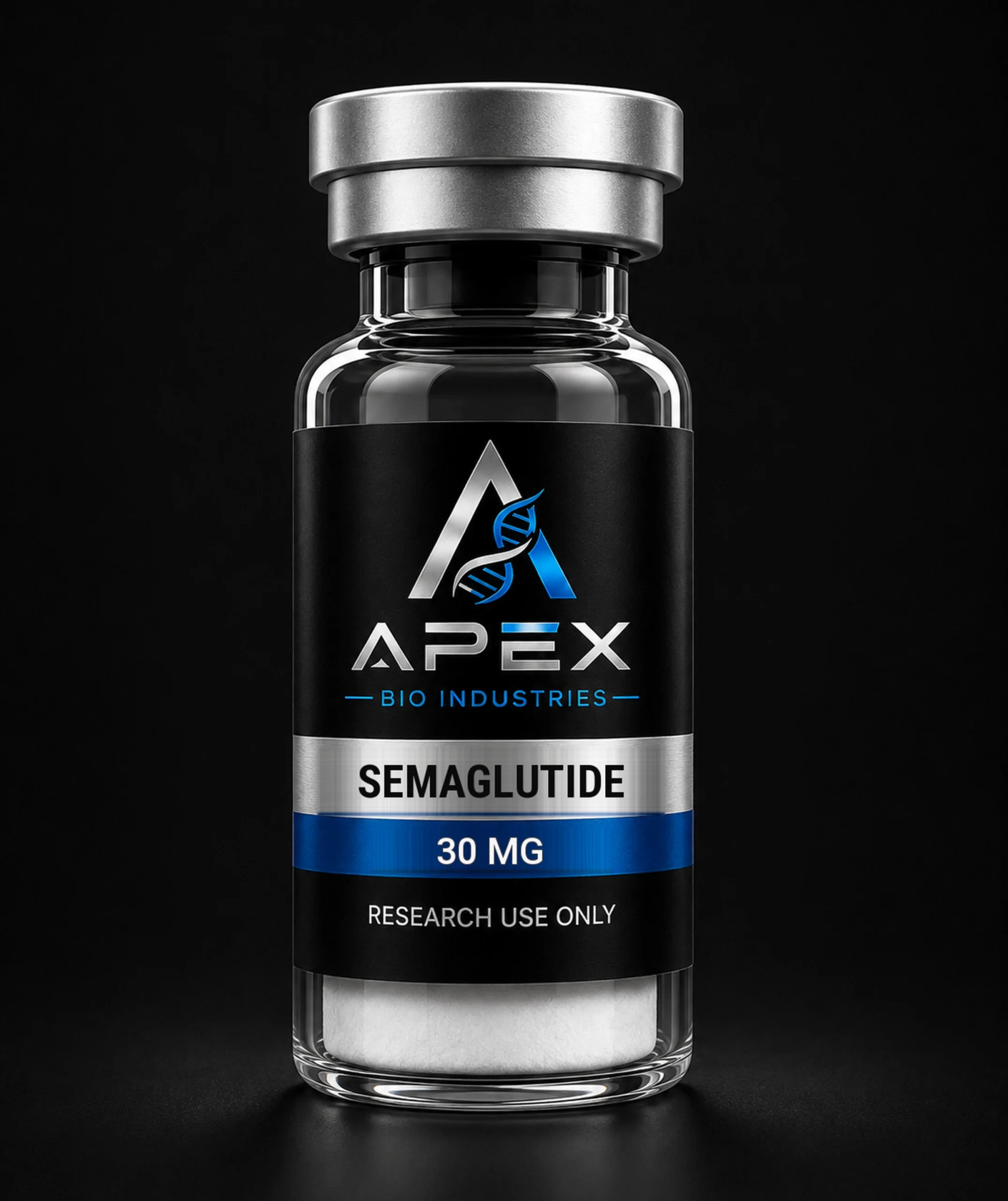
Semaglutide is a long-acting analog of glucagon-like peptide-1 (GLP-1) designed for prolonged receptor activation. It has an extensive human clinical literature in type 2 diabetes, chronic weight management, and cardiovascular-risk research. Mechanistically, GLP-1 receptor activation influences glucose-dependent insulin secretion, glucagon signaling, appetite-related central pathways, and gastrointestinal motility. FDA approvals apply to specific manufactured prescription products such as Ozempic, Wegovy, and Rybelsus—not to separately sold research material.
How It Works
- GLP-1 receptor activation: Enhances glucose-dependent insulin signaling and suppresses inappropriate glucagon secretion.
- Central appetite signaling: GLP-1 pathways in the brain influence hunger, satiety, and food intake.
- Gastrointestinal signaling: The drug class can slow gastric emptying, especially during early exposure.
Research Areas
- Type 2 diabetes
- Chronic weight management
- Cardiovascular outcomes
- Metabolic and liver-related research
Research / Study Context
- STEP program: Large randomized obesity trials measured body weight, cardiometabolic markers, and safety.
- SUSTAIN / cardiovascular programs: Diabetes and cardiovascular trials evaluated glycemic and major cardiovascular outcomes.
Key Research Findings
- Semaglutide has one of the largest clinical evidence bases in this product list.
- Benefits and risks are product- and indication-specific.
- Apex RUO material must not be represented as Ozempic, Wegovy, Rybelsus, or a substitute for them.
- Tirzepatide
- Retatrutide
- Cagrilintide
Scientific Reference Starter Set
- Peptide Education Hub: Semaglutide profile
- PubMed: STEP 1 semaglutide obesity trial
- FDA prescribing information: Ozempic / Wegovy / Rybelsus